Determine Your STD Exposure Risk
Ever thought about how likely you are to get sexually transmitted diseases? There’s a lot of info out there, making it hard to know what to do. It’s key to check your risk of STDs to keep your sexual health safe. This guide will show you how to do a full STD risk check. It will help you know your risks and how to lower them.
Key Takeaways
- Knowing your risk factors is the first step towards preventive sexual health.
- Regular testing is essential for early detection and management.
- Modes of transmission vary, requiring different preventions.
- Recognize the common and asymptomatic symptoms of STDs.
- Effective communication with partners plays a significant role in risk reduction.
Understanding STD Exposure
Learning about sexually transmitted infections (STIs) is key. It helps stop them from spreading and catches them early. This part explains what STDs are and lists common ones, giving important info.
What is STD?
STDs, or STIs, are infections passed through sex. They spread during vaginal, anal, or oral sex. Knowing about STDs helps prevent them and keeps sex healthy.
Common Types of STD
Many STDs are common. Here’s a quick look at some:
| STD | Causes | Symptoms |
|---|---|---|
| Chlamydia | Bacteria | Burning when you pee, discharge |
| Gonorrhea | Bacteria | Pain when you pee, unusual discharge |
| Herpes | Virus | Sores, blisters, fever |
| Human Papillomavirus (HPV) | Virus | Warts, could lead to cancer |
| Syphilis | Bacteria | Sores, rash, can harm organs |
Knowing about STDs helps find infections early. This lowers risks from untreated STIs.
How STDs Spread
STDs spread in many ways, but mostly through sex. It’s key to know how they spread and the risks to prevent them.
Modes of Transmission
The main way STD transmission happens is through sex. This includes vaginal, anal, and oral sex. But, STDs can also spread through blood transfusions, shared needles, and from mom to baby during birth.
| Mode of Transmission | Description | Risk Levels |
|---|---|---|
| Vaginal Sex | Transmission through vaginal fluid exchange. | High |
| Anal Sex | STD spread through anal intercourse. | Very High |
| Oral Sex | STDs passed through oral-genital contact. | Moderate |
| Blood Transfusions | Transmission through contaminated blood. | Low |
| Shared Needles | Spread via injecting drug users sharing needles. | High |
| Mother to Child | Transmission during childbirth and breastfeeding. | Varies |
Factors Impacting Spread
Many things can make STDs spread more. These include having many sexual partners, having other infections at the same time, and not using condoms. Being with someone who has had STDs before or takes risks also raises the risk.
Using protection, getting tested often, and talking openly about health can help. This makes for a safer and healthier sex life.
Recognizing Symptoms of STDs
It’s important to know and spot STD symptoms early. Not all STDs show signs, making it hard to find and treat them. Knowing how different STDs show symptoms can help keep us healthy.
Common Symptoms
STDs often have signs like unusual discharge and burning when you pee. You might also see sores or warts on your private parts. These signs mean you need to see a doctor right away.
Some people might feel like they have the flu, with fever and body aches. But these symptoms can also mean an STD.
Asymptomatic Nature of Some STDs
Some STDs don’t show symptoms at all. This makes it hard to catch them early. Chlamydia and human papillomavirus are examples of these silent infections.
Getting tested regularly is key to finding these hidden STDs. Knowing the symptoms of STDs helps us get help fast. This can stop serious health problems later on.
Importance of Regular Testing
Knowing the STD testing importance is key for personal and community health. Regular tests catch infections early and stop them from spreading.
If you’re sexually active, it’s important to test often. This is true for those under 25 or with many partners. The Mayo Clinic says certain groups should test every year. This includes young people and some transgender individuals.
Frequency of Tests
How often you should get tested depends on your risk. If you’re under 25 and active, yearly tests are a good idea. But, if you’re at higher risk, you might need to test more often.
This includes people with new or many partners, transgender folks, and those who’ve been forced into sex. It’s also key for those with HIV or who are pregnant to stay on top of their tests.
Types of STD Tests
| Type of Test | Description | Recommended for |
|---|---|---|
| Chlamydia and Gonorrhea | Urine samples or swabs | Individuals under 25, those with multiple partners |
| HIV | Blood test | Everyone between ages 13-64, annually for high-risk individuals |
| Hepatitis B | Blood test | Pregnant individuals, those with close contact with infected individuals |
| Syphilis | Blood test | All pregnant individuals, high-risk groups |
Knowing about the types of STD tests helps with full screening and quick action. Talking to your doctor can help figure out the best testing plan for you.
Assessing Your Personal Risk
Understanding your STD risk is key. It means looking at your sexual actions and choices. By checking your sexual behavior and always using protection, you can lower your risk.
Sexual History and Behaviors
Looking at your sexual past is important. Think about how many partners you’ve had and how often you meet new people. Also, think about any STDs you’ve had before.
Consider the kind of relationships you’ve had. Were they long-term, open, or casual? This can tell you a lot about your risk.
Also, think about your actions. Did you ever have unprotected sex or choose partners without knowing their health status? These choices can show you where you might need to test more often.
Use of Protection
Using protection is a big part of staying safe. Condoms and dental dams can really help. But, it’s also important to know when they work best.
Look at how often and how well you use protection. This will help you see if you’re doing enough to stay safe.
Here’s a simple way to see the difference:
| Sexual Behavior | With Protection | Without Protection |
|---|---|---|
| Risk of STD Transmission | Low | High |
| Peace of Mind | Enhanced | Reduced |
| Frequency of Testing Needed | Moderate | High |
By understanding these things, you can make better choices for your health. This can help you stay safer.
How-to-assess-std-exposure
It’s important to know how to check if you might have caught an STD. Doing a self-check and seeing a doctor fast can lower risks. It also helps get treatment quickly.
Self-Assessment Steps
- Reflect on recent sexual activities: Think about your sexual partners and if you used protection.
- Monitor for symptoms: Watch for signs like unusual discharge, itching, or pain.
- Record any changes: Note any new or different symptoms, how long they last, and how bad they are.
- Research STD exposure risks: Learn about the risks of different sexual activities to understand your risk better.
Consulting a Healthcare Provider
After checking yourself, it’s time to see a doctor for STDs. Doctors can do tests, find out what’s wrong, and treat you if needed. Here’s what to do when you see a doctor:
- Disclose your sexual history: Tell the truth about your recent sex life and partners. This helps pick the right tests.
- Discuss symptoms: Tell the doctor about any symptoms you’ve noticed. This helps them guess what might be wrong.
- Follow up on testing: Make sure you get the tests you need. Ask any questions you have about the tests and what they mean.
STD Exposure Assessment Tips
Learning how to check if you might have caught an STD is key. It helps you make smart choices about your health. We’ll talk about important steps to keep you safe.
Preventive Measures
Using STD prevention tips is very important. Always wear condoms and dental dams when you have sex. Talking openly with your partner about health is also a big help.
Getting tested regularly is another big step. It helps find and treat STDs early. This stops problems and lowers the chance of passing it on. If you have many partners, testing often is a smart move.
Post-Exposure Actions
If you think you might have caught an STD, act fast. Don’t have sex until you talk to a doctor. See a doctor right away to get help that can stop the infection.
Telling your recent partners is also key. They can get tested and treated too. This helps stop the disease from spreading. Following these post-exposure protocols is important for your health and your partners’.
Impact of STDs on Long-Term Health
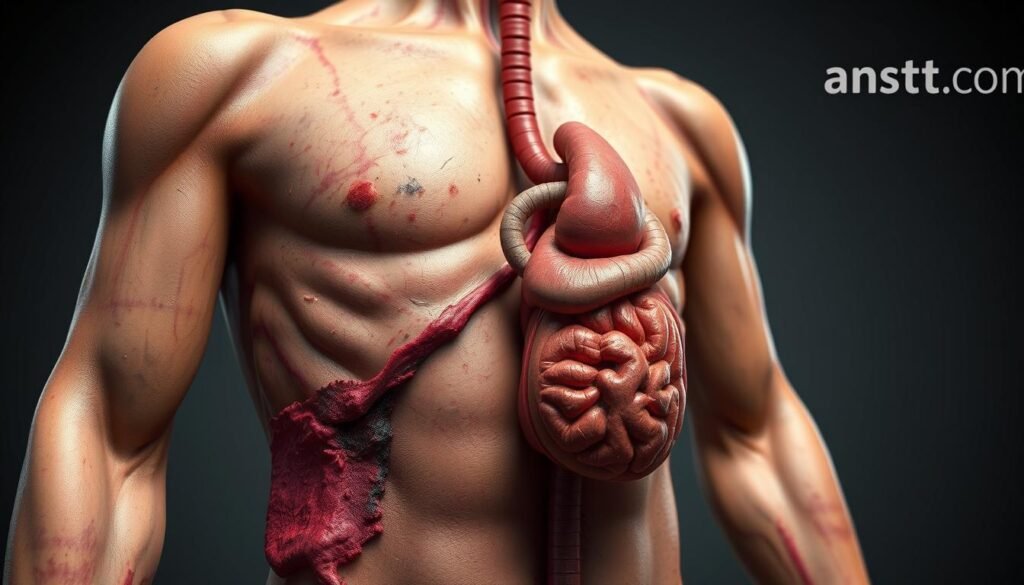
It’s key to know how STDs affect health over time. Many STDs can cause serious problems if not treated. Even if symptoms seem mild or not there, it’s important to know the risks.
Potential Complications
Complications from STDs vary by disease. Untreated chlamydia and gonorrhea can cause PID in women. This can lead to chronic pain and infertility.
HPV is linked to cervical cancer. Syphilis can damage the heart, brain, and nerves. HIV, if not treated, can weaken the immune system to AIDS.
Importance of Early Detection
Finding STDs early is key to treatment and avoiding long-term issues. Regular tests catch infections when they’re easiest to treat. This reduces risks and stops STDs from spreading.
Knowing the risks of STDs and the need for early detection is important. Regular tests and doctor visits help prevent serious health problems.
Reducing Your STD Risk
To lower your STD risk, use safe sex methods and know about vaccines and meds. These steps can greatly reduce your chance of getting STDs.
Safe Sex Practices
Safe sex is key to avoiding STDs. Using condoms correctly and often helps a lot. Also, having fewer partners and being monogamous helps.
Talking openly with your partner about health and tests is important too. This keeps everyone’s sex life healthy.
Vaccinations and Medications
Vaccines are a great way to prevent some STDs. Shots for HPV, hepatitis A, and B are very effective. They are recommended for everyone.
Pre-exposure prophylaxis (PrEP) also helps protect against HIV. Always talk to your doctor about what’s best for you.
Communicating with Partners
Talking about sexual health with your partner is key to a healthy relationship. It helps stop STDs from spreading. Open talks can make both partners feel better.
Discussing Sexual History
Talking about past sexual experiences can be hard. But it’s important for trust and health. Start by sharing your own story calmly.
This helps your partner feel at ease. Talk about why being open is safe and honest for both.
When you talk, ask about past partners and STD tests. Ask your partner to do the same. This talk is not to judge but to make sure you both know what’s going on.
Agreeing on Safety Measures
Safe talks go beyond past experiences. You need to agree on safety steps. These can be using condoms, getting tested, and being faithful to each other.
- Consistent Condom Use: Always use condoms right when you have sex. It cuts down STD risks a lot.
- Regular Testing: Plan to get tested for STDs often. This catches problems early and keeps you healthy.
- Mutual Monogamy: Decide to be faithful to each other. This lowers the chance of getting sick.
These steps are key to keeping safe and healthy. They help you both stay responsible and safe in your relationship.
Conclusion
Understanding your risk and knowing STD symptoms is key to good sexual health. Safe sex practices, like using protection, lower your risk. Regular tests help find and treat STDs early, avoiding serious health issues.
Your sexual history and actions affect your risk. Talking openly with partners about your history and safety plans is important. Vaccines and medicines can also protect you from certain STDs.
Keeping in touch with your healthcare provider and knowing your risk helps you make smart choices. By following safety tips and staying informed, you can protect your health and help others. Always stay safe and take care of your health.
FAQ
What is STD?
What are the common types of STD?
What are the modes of STD transmission?
What factors impact the spread of STDs?
What are the common symptoms of STDs?
Can some STDs be asymptomatic?
How frequently should I get tested for STDs?
What types of STD tests are available?
How should I assess my personal risk of STD exposure?
Why is the use of protection important?
What are the self-assessment steps to evaluate STD exposure?
When should I consult a healthcare provider about STD exposure?
What preventive measures can I take to avoid STD exposure?
What actions should I take post-exposure to an STD?
What are the possible long-term complications of untreated STDs?
Why is early detection of STDs important?
What are some safe sex practices to reduce STD risk?
How can vaccinations and medications help reduce STD risk?
How should I discuss sexual history with my partner?
What safety measures should partners agree on to reduce STD exposure?

About The Author
